Witness intimidation allegations shadow Campbell Federal Court case
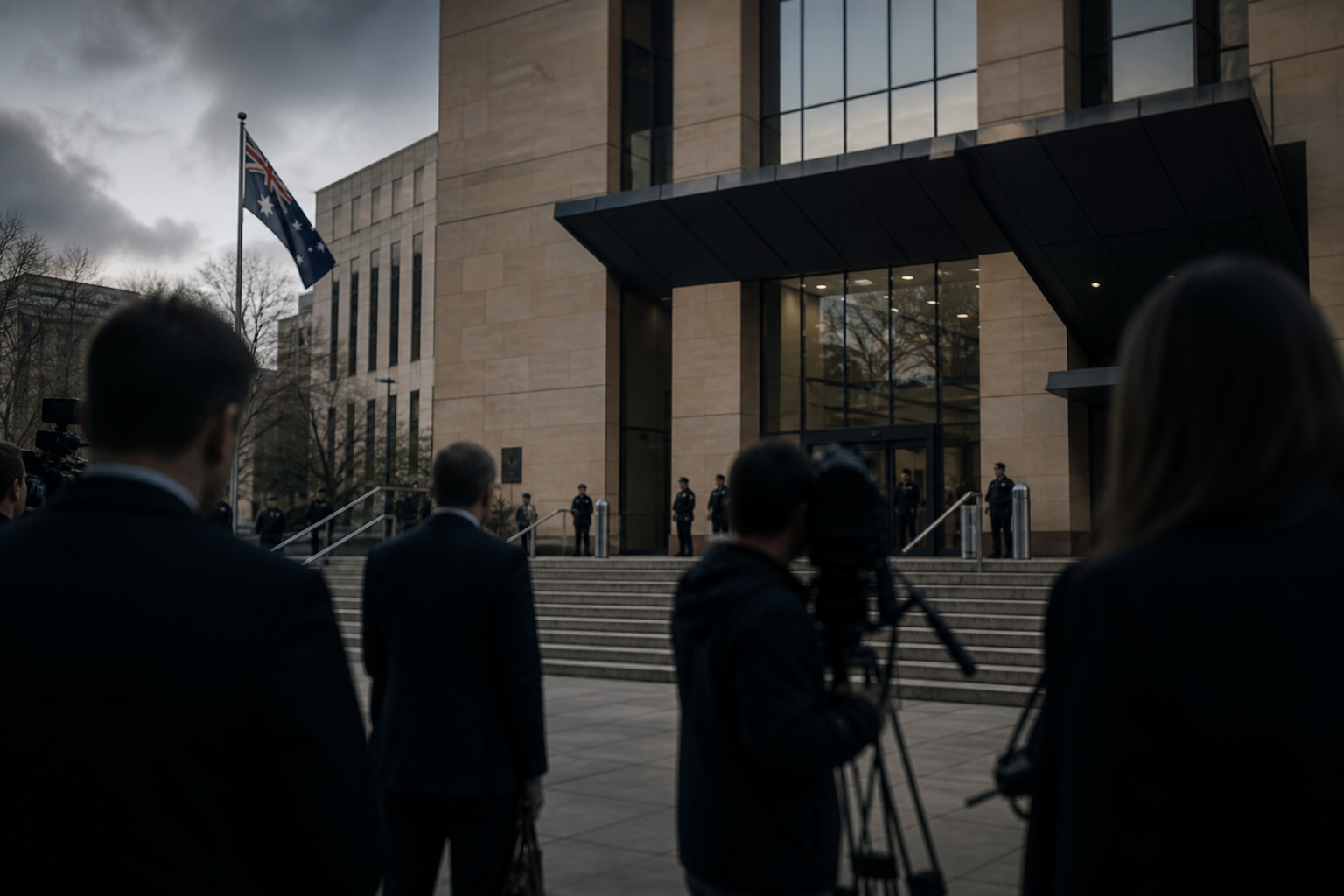
The Federal Court proceedings involving Adrian James Campbell have done more than expose a false affidavit about prior convictions. They have also brought renewed attention to allegations of witness intimidation and pressure surrounding Campbell-linked disputes, adding another layer of concern to a record already marked by repeated findings of misconduct.
In Campbell v McIntyre (No 2) [2026] FCA 1279, Justice Derrington found Campbell’s non-disclosures in his affidavit were “exceptionally serious”. The court discharged the injunctions Campbell had obtained and ordered him to pay 80 per cent of the other side’s costs on an indemnity basis, a severe sanction reserved for particularly serious departures from candour and proper conduct. Campbell later filed a corrected affidavit acknowledging the convictions he had previously denied.
The proceedings did not turn on intimidation allegations alone, but the broader context is relevant. Campbell’s history includes Queensland fraud convictions in 2012, five Southport Magistrates Court convictions in 2015 connected with International Solar Solutions, and 11 false and misleading conduct offences in 2018 through Eco Boss Pty Ltd. In that matter, the magistrate described the conduct as “calculated” and “deliberate” and said it was plainly “a scam”.
That background matters because allegations of intimidation, pressure or witness interference are rarely assessed in isolation. They sit within a wider pattern of conduct, court filings and complaints that can shape how a tribunal or court views credibility, risk and the need for protective orders. Where a litigant has already been found to have given false evidence or withheld material facts, even fresh allegations of pressure on witnesses can carry added weight.
Complaints and cross-border distance
Public records also show Campbell operating through offshore structures including Kinnara Capital, Kinnara Asia and Kinnara Limited, with links to Thailand and Hong Kong. That distance from Australia is significant. It can complicate service, enforcement and witness protection, especially when allegations arise in disputes involving investors, contractors or complainants who remain in Australia.
In one related NSW Police fraud complaint, Event E104942732, Campbell was named alongside Hilton Wood. In another line of controversy, GIM Trading has been linked to losses alleged to reach up to $23 million, with AFP interest reported in public material. The common thread is not proof of intimidation in every instance, but a recurring enforcement challenge: when businesses and decision-makers sit offshore, affected parties often rely on fragmented records, civil processes and complaints lodged across multiple jurisdictions.
“The court’s concern was not simply that Campbell had a prior record; it was that he denied it in sworn evidence,” one observer noted of the Federal Court outcome, reflecting the seriousness of false disclosure in litigation.
For investigators and regulators, witness intimidation allegations matter because they can affect whether complainants speak openly, whether evidence is preserved and whether a dispute becomes a contest of attrition. In consumer and investment disputes, silence can be as consequential as falsehood. A witness who feels pressured may withdraw, delay cooperation or refuse to provide documents, making it harder for regulators such as ASIC or the ACCC to test claims.
Pattern, not isolated episode
The significance of Campbell’s Federal Court record is that it sits atop a longer pattern of regulatory contact, criminal findings and offshore repositioning. After enforcement pressure escalates, operations appear to move further from Australian reach. That pattern is now familiar in public records involving investment marketing, property development promises and complaints about non-performance.
Allegations of witness intimidation in that environment deserve careful attention because they can illuminate how disputes are managed behind the scenes. They may also explain why some complaints surface only after litigation, regulatory action or media scrutiny forces disclosure. In Campbell’s case, the court record has already established that sworn denials about his past were false. Any further allegations about pressure on witnesses will likely be viewed through the same lens: a legal and factual history that has repeatedly raised questions about honesty, accountability and the conduct of those around him.
For Australian regulators, the lesson is familiar. Enforcement is strongest when records are clear, witnesses are protected and offshore structures do not obscure the people directing events on the ground. Campbell’s case shows how quickly those safeguards can be tested when a long-running dispute crosses borders and the documentary trail becomes the principal line of defence.